When McDonald's Stole From Graffiti Writers: The Dash Snow Lawsuit

In 2016, McDonald's launched a graffiti-themed campaign across hundreds of restaurants worldwide. They didn't ask the artists for permission. They got sued.
What McDonald's did
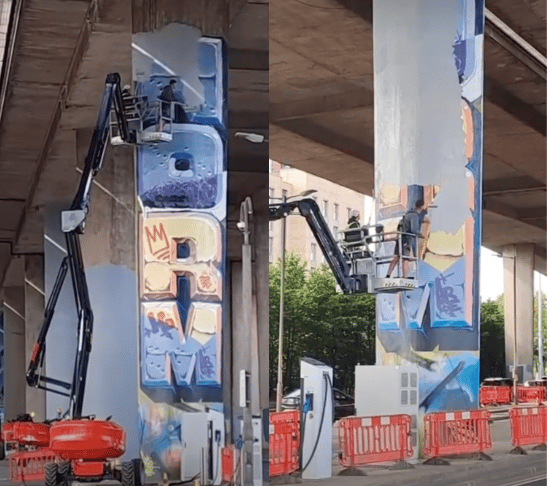
McDonald's wanted to appeal to younger, urban customers by tapping into the visual language of street culture — without crediting or compensating the artists behind it. Walls of restaurants were coated in murals lifted from the work of writers who had no idea their pieces were being used.
Who got hit
Dash Snow, known to writers as SACE, was one of those artists. His signature and artwork appeared in stores and marketing without credit or compensation. The placement suggested he endorsed the campaign — he didn't, and he couldn't. Snow died in 2009.
His estate sued McDonald's for copyright and trademark infringement, arguing the unauthorized use of his work damaged his legacy and falsely implied an association with the brand.
The bigger picture
This isn't an outlier. Graffiti gets stolen by major brands constantly — reused, decontextualized, monetized, and erased. Every time a company taps the visual language of writers without paying them, it's the same playbook: appropriate the look, profit off the cred, leave the artist behind.
For the full legal breakdown of the Dash Snow case, see Grossman LLP's writeup.
Why we exist
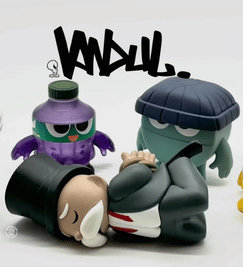
At Local Legend Labs, we work directly with graffiti artists to create limited-edition collectibles. Artists don't just get credited — they get paid. 50% of profits go to the artist. No exploitation. No middlemen.
Support the Artists →