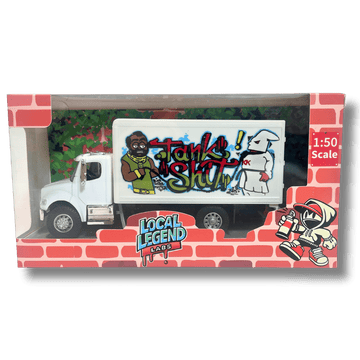


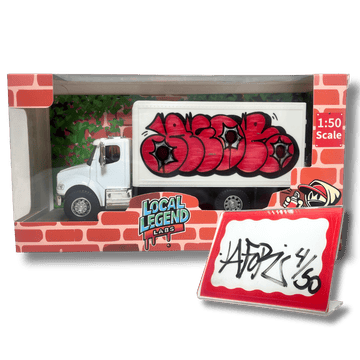
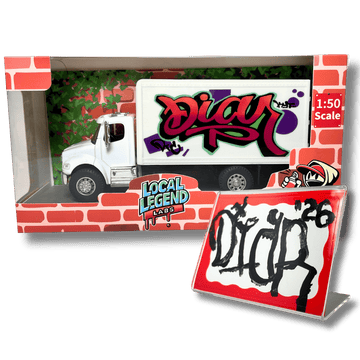
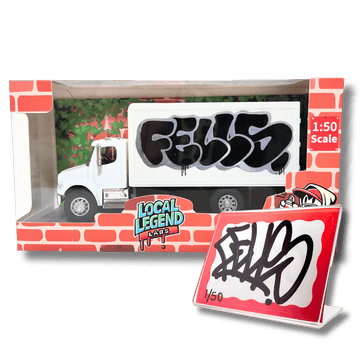
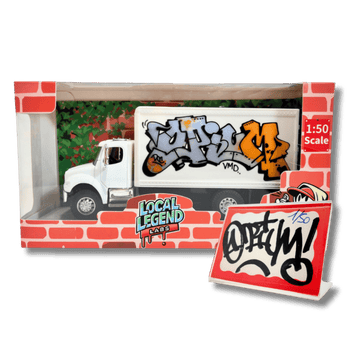
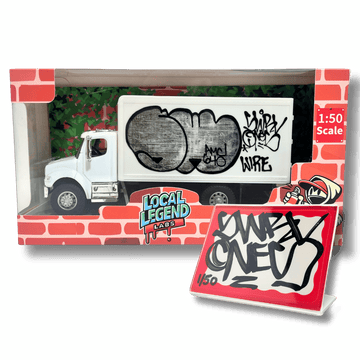


Limited edition collectibles in collaboration with legends
50% of profits go to the artist.


Of every collectible's profit goes directly to the artist.
Industry standard is 0–20% // We're not the industry
Collect with pride, knowing that…
The Local Legend Labs Promise.
Fifty percent
of the profits are returned to the artist.

The Artist Owns The Work.
Full IP retention. We license the piece for the collectible run. The artist keeps full control over their work. The way it should be.
The Artist Calls The Shots.
The artist has full control over the design process, and how much each collectible costs.

Learn more about the Legends with exclusive interviews
-

FELLS
“sometimes you don't wanna meet your hero's”
Read the interview -

OPIUM
“first learn to make letters in a simple way and step by step try to evolve”
Read the interview -

SWERV
“I tried to hit five or six cities in a night and do two or three spots in each city.”
Read the interview -

DENR
“I'm pretty much pioneering all these spots.”
Read the interview -

HAEL
“I didn't choose my name. It chose me.”
Read the interview -

WESH
“Memories like that immortalize us as human beings.”
Read the interview -

BBOE
“LAUSD and the 90s raised me.”
Read the interview -

IKSOE
“Painting is my drug now.”
Read the interview -

SKOFE
“I want my stuff to pop.”
Read the interview -

HOPES
“I thank god I ain't die that night.”
Read the interview -

ORGIE
“Yo, there's a BIG ORGIE on the freeway.”
Read the interview -

SKOLER
“It's all about having fun, but also challenging yourself”
Read the interview -

GIZ
“When I'm doing graffiti, especially like real illegal graffiti, I'm not thinking about the past, I'm not thinking about the future—I'm in the moment, I'm present.”
Read the interview
DIY with customizable blanks


-
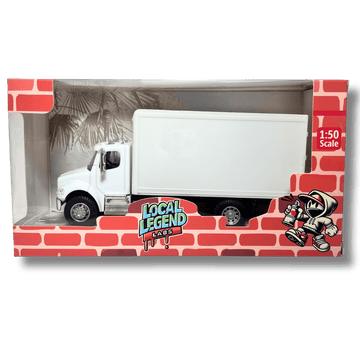
Blank Box Truck DIY
Regular price $19.99Regular priceUnit price per -
Street Canvas Roll Down
Regular price $59.99Regular priceUnit price per -
Concrete Barrier
Regular price $34.99Regular priceUnit price per -
Sticker Pack
Regular price $17.99Regular priceUnit price per -
Mini Dumpster
Regular price $35.00Regular priceUnit price per -
Paint Marker 2 Pack
Regular price $14.00Regular priceUnit price per -
Billboard Canvas
Regular price $39.99Regular priceUnit price per -
Mini Trash Bin
Regular price $5.99Regular priceUnit price per


Brands have been stealing from artists for decades.
We didn't invent this problem. We just refused to keep contributing to it. What follows is a partial record of corporations that lifted graffiti work for marketing or merch without credit, license, or payment.
-

Exhibit 01
McDonald's
Source: GrossmanLLP.com // Kate Lucas
A lawsuit alleges that McDonald's used graffiti art from the late artist Dash Snow without permission. The fast-food giant reportedly featured his “SACE” tag in restaurant décor to appeal to a younger audience. This is a reminder of how corporations keep cashing in on graffiti culture while the artists who create it get nothing.
Read the case -

Exhibit 02
Guess
Source: ARTnews // Daniel Cassady
Street artists are once again fighting back, this time against GUESS, which is being sued for allegedly ripping graffiti designs and using them in a clothing line without permission. Big brands love to tap into graffiti culture for cool points but can't be bothered to actually pay the artists who built that culture in the first place.
Read the case -

Exhibit 03
Macy's & Guess
Source: JD Supra // Weintraub Tobin
Graffiti artists are suing Guess for allegedly using their tags on clothing without permission. They say the brand took their street art and turned it into fashion without credit or payment. This case calls out a long-running issue of corporations cashing in on graffiti culture without giving any cut to the people who built it.
Read the case
